Close


Experts in Safety & Compliance Since 1953
Browse Products & Services


Services

Managed Services
Let our experienced team of compliance specialists work with you to handle time-consuming compliance management for your drivers, vehicles and employees. Our team provides real ROI by eliminating internal costs and paying close attention to your compliance.

Consulting Services
Get tailored regulatory expertise at your site. Our veteran consultants bring their deep compliance and best practice knowledge to you. You can rely on our expertise in regulations enforced by DOT, OSHA, EPA, DOL and hundreds of state agencies.

Online Services
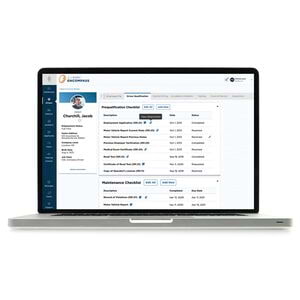
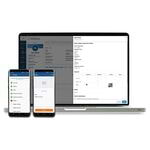
Choose our cloud-based technology to help you manage your workplace and fleet, with anytime, anywhere access. All online services offer a dashboard and easy navigation, to keep you always abreast of regulatory compliance.
The Easy Way to Get the Right Authority & Credentials
USDOT Number | UCR | MCS-150 | Hazmat / PHMSA | Process Agent / BOC-3 | Authority Monitoring
Connected Technology for Safer Drivers
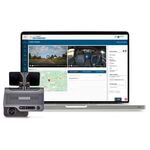
Technology solutions to improve truck driver compliance.


Skip list Featured Products










News & Regulatory Alerts
April 11, 2024
PHMSA finalizes HM-215Q
Read More
April 05, 2024
Worker walkaround rule takes effect May 31
Read More
Events
Apr 18
2024
10:00AM
11:30AM
Webcasts
Workplace Safety Incident Investigations: Stomping Out the Root Causes of Incidents
Don't let repeat incidents chip away at your company’s bottom line! Master the secrets to performing an effective incident investigation. Our virtual event will:
Explore the incident investigation steps,
Offer tips for interviewing witnesses and collecting evidence,
Acquaint you with the difference between direct and root causes,
Examine common causes of safety incidents, and
Go over how to implement corrective and preventive actions.
Additional Takeaways:
Incidents might happen, but you have the power to prevent recurrent ones through proper investigation techniques. Don’t miss out! A Q&A session will be held during the last 10-15 minutes of the event.
Apr 23
2024
1:00PM
2:00PM
Webcasts
Hazard Communication Training: Does your training program meet OSHA’s requirements?
The Hazard Communication standard is regularly found in OSHA’s Top 10 list of most frequently cited serious violations, and training – or a lack thereof - is often cited as a reason for the violation. In the past year, over 850 citations were issued for “missing or inadequate measures to provide hazard information to employees or to provide proper training.”
During this event, we will discuss:
• Who is covered under the standard
• Which exemptions apply
• HazCom training requirements
• OSHA citations
• Risks of non-compliance
This webcast delves into what the Hazard Communication standard requires when it comes to training and breaks the information down into manageable pieces. Time will also be reserved for a live question and answer session.
Apr 24
2024
10:00AM
11:00AM
Webcasts
Driver Hiring: Regulatory requirements to red flags & watch-outs!
Hiring a driver is not the same as hiring a standard employee. You and the driver must comply with the Federal Motor Carrier Safety Regulations (FMCSRs), which makes the hiring process more complex.
In this webcast we’ll share regulatory requirements, red flags, and best practices regarding the driver hiring process, from application to qualification, including:
• Online applications with e-signatures
• New hire documents
• Drug testing
• High-level employment law concerns
• And much more
We’ll also have time to answer your questions during our live Q&A session!
Can't make the date? No problem! Register now and we'll send you a link to the recording after our live discussion.