Close


Experts in Safety & Compliance Since 1953
Browse Products & Services


Services

Managed Services
Let our experienced team of compliance specialists work with you to handle time-consuming compliance management for your drivers, vehicles and employees. Our team provides real ROI by eliminating internal costs and paying close attention to your compliance.

Consulting Services
Get tailored regulatory expertise at your site. Our veteran consultants bring their deep compliance and best practice knowledge to you. You can rely on our expertise in regulations enforced by DOT, OSHA, EPA, DOL and hundreds of state agencies.

Online Services
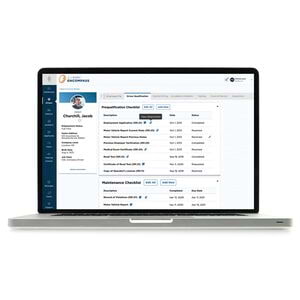
Choose our cloud-based technology to help you manage your workplace and fleet, with anytime, anywhere access. All online services offer a dashboard and easy navigation, to keep you always abreast of regulatory compliance.
The Easy Way to Get the Right Authority & Credentials
USDOT Number | UCR | MCS-150 | Hazmat / PHMSA | Process Agent / BOC-3 | Authority Monitoring
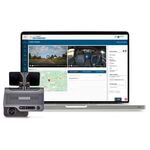
Connected Technology for Safer Drivers
Technology solutions to improve truck driver compliance.



Skip list Featured Products










News & Regulatory Alerts
View All Alerts And NewsEvents
Apr 25
2024
10:00AM
11:30AM
Webcasts
DOT Industry Forum: Hot Regulatory Topics in Transportation
Gain Expert Insights: This “town hall” style event is delivered by J. J. Keller® transportation experts, while gathering your input as we discuss regulatory changes with emphasis on:
• Proposed changes to CSA’s Safety Management System
• How the Drug and Alcohol Clearinghouse has changed the safety performance history requirements
• Canada's ELD mandate
• Updated out-of-service criteria
• When might we see changes to drug testing using saliva or hair follicle tests
• How to compliantly use split-sleeper option
• What the speed limiter rule might look like
Bonus Take-Aways:
Within each of the above areas, we will address audience questions, provide an open Q&A, share guidance on best practices!
Apr 25
2024
1:00PM
2:00PM
Webcasts
How to Comply with OSHA’s Standard on Process Safety Management (PSM)
OSHA’s standard on process safety management (PSM) of highly hazardous chemicals (1910.119) is one of the Agency’s more complex standards. It’s also one that many employers know little about, including how to determine coverage. Join us to better understand PSM, from determining if you have a covered process to compiling required process information, implementing your operating procedures and more.
During this webcast, you'll learn:
• What a covered process is
• What the exemptions are
• What to do if you have a covered process
• What recognized and generally accepted good engineering practices (RAGAGEP) are
• How to manage change
• How to conduct a PSM audit
• And more!
Time will be reserved for a live Q&A session.
Apr 30
2024
10:00AM
11:00AM
Webcasts
Vehicle Inspections: Top 10 FAQs, Requirements, and Industry Best Practices
Commercial motor vehicle inspections are critical to highway safety. Yet, safety managers, mechanics, and drivers have many questions, like when inspections are required and what paperwork must be completed.
In this webcast, our experts cover:
• The top 10 FAQs about vehicle inspections,
• FMCSR inspection requirements, and
• Industry best practices.
Make time to join us! Our experts will also take time to answer YOUR compliance questions.